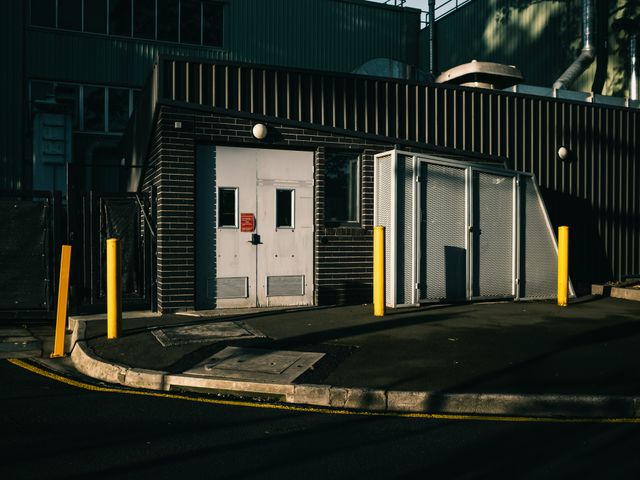
private security services Melbourne a warehouse can contain thousands of dollars—or considerably more—in stock, equipment and materials, often across a large site with multiple entry points, loading areas and storage zones. When the building becomes quiet after operating hours, those same features can make security more difficult to manage.
Warehouse security in Melbourne needs to address more than theft. Businesses also need to consider unauthorised access, damage, staff safety, vehicle movements, contractor access and incidents around loading docks or external storage areas.
A strong warehouse security plan combines physical security, trained personnel, technology and clear workplace procedures. Security guards may provide a visible presence and conduct patrols, while CCTV, alarms, access controls, lighting and site procedures add additional layers.
The right combination depends on the warehouse, its location, operating hours, stock, layout and existing security systems.
Why Warehouses Need a Different Security Approach
Warehouses are different from many other commercial properties because they combine people, vehicles, equipment, stock and large physical spaces.
A typical site may have:
- Multiple roller doors
- Pedestrian entrances
- Loading docks
- Car parks
- Truck access
- External storage
- Perimeter fencing
- High-value stock
- Forklifts and other mobile plant
- Staff working across different shifts
This creates several security and safety considerations at the same time.
WorkSafe Victoria identifies warehousing and storage hazards including mobile plant, falling objects, manual handling, slips and trips, vehicles and fatigue associated with shift work.
Security should therefore be planned alongside the warehouse’s existing occupational health and safety systems rather than treated as a completely separate function.
What Does Warehouse Security Include?
Warehouse security can involve several different measures depending on the site’s risk profile.
Security guards
A security guard can provide a physical presence at the property, monitor agreed areas, conduct patrols and follow established procedures for reporting or escalating incidents.
The exact duties need to be defined in the security agreement.
Mobile patrols
For warehouses that do not require a guard permanently stationed on site, scheduled or agreed mobile patrols can provide physical checks of the property.
Patrols may focus on gates, doors, perimeter fencing, loading areas and other vulnerable locations.
CCTV
CCTV can provide continuous visual coverage of selected areas and may help businesses investigate incidents after they occur.
Cameras should be positioned according to the site’s actual risks rather than simply installed wherever convenient.
Alarm systems
Alarms can alert the business or monitoring service to defined events, depending on the system installed.
They can form another layer of security alongside physical patrols and access controls.
Access control
Electronic or physical access controls can help limit entry to authorised personnel.
This is particularly relevant for staff-only areas, offices, high-value storage zones and other restricted parts of a warehouse.
Protecting Stock From Theft and Unauthorised Access
Stock security starts with understanding where the most valuable or vulnerable goods are stored.
Not every part of a warehouse necessarily carries the same risk.
High-value products may require additional controls such as restricted access, CCTV coverage or closer monitoring.
A security assessment can map:
- Main entrances
- Roller doors
- Emergency exits
- Loading docks
- Storage cages
- High-value inventory
- External compounds
- Roof or perimeter access points
- Office and administration areas
This creates a clearer picture of where security resources should be concentrated.
Rather than relying on one measure, businesses can combine physical access controls with surveillance, alarms and security patrols.
Protecting Equipment and Vehicles
Warehouse security also needs to consider equipment that may be left on site after employees have gone home.
Depending on the business, this might include forklifts, pallet-moving equipment, tools, delivery vehicles, trailers or specialised machinery.
Equipment should be secured according to the manufacturer’s requirements and the business’s own risk controls.
Security personnel can support these measures by checking designated equipment areas or identifying signs of unauthorised access.
However, a security guard should not be expected to replace proper equipment-control procedures.
Staff Safety Should Be Part of the Security Plan
Protecting employees is just as important as protecting inventory.
Warehouse workers can face risks associated with forklifts, trucks, loading activities, manual handling and other workplace operations.
WorkSafe Victoria specifically recommends traffic-management systems that separate forklifts from pedestrians, including appropriate pedestrian exclusion zones, barriers and designated travel paths.
This has an important implication for warehouse security.
Security personnel should understand the site’s safety rules before beginning work. A guard who is unfamiliar with forklift routes, loading zones or restricted areas can inadvertently create another workplace hazard.
Security staff need a site-specific induction
Before starting, security officers should be familiar with:
- Pedestrian walkways
- Forklift operating zones
- Restricted areas
- Emergency exits
- Assembly areas
- First aid locations
- Loading docks
- Site communication procedures
- Emergency contacts
- Incident reporting procedures
Security should support the warehouse’s safety system, not interfere with it.
Securing Loading Docks and Delivery Areas
Loading areas can be particularly busy.
Trucks, forklifts, warehouse employees, contractors and visitors may all use the same general area during operating hours.
After hours, however, loading areas can become vulnerable access points.
A warehouse security plan can establish clear procedures around:
- Delivery access
- Driver identification
- Gate opening and closing
- Restricted hours
- Visitor access
- Unauthorised vehicles
- After-hours deliveries
- Loading-dock security
The security provider should understand the difference between normal operational activity and unusual activity rather than treating every unexpected movement as a security incident.
After-Hours Warehouse Security
Many warehouses have significantly fewer people on site outside normal operating hours.
This can change the security requirements.
After-hours security may include:
- Mobile patrols
- Static security guards
- Alarm monitoring
- CCTV
- Perimeter inspections
- Gate and door checks
- Scheduled reporting
The right combination depends on the property’s risks.
A large distribution centre may have different requirements from a smaller warehouse storing specialised products.
Rather than automatically choosing 24-hour guarding, consider which periods present the greatest risk and how physical security can work with electronic systems.
Integrate Security With CCTV and Alarms
Technology can make a security officer’s job more effective when the systems are properly integrated.
For example, an alarm may identify an event while CCTV helps establish what is happening. A security officer can then follow the agreed response procedure if physical attendance is required.
The same principle applies to access-control systems.
A warehouse can use:
Access control to restrict entry.
CCTV to monitor selected areas.
Alarms to detect defined events.
Security guards to provide physical observation and response.
Mobile patrols to conduct physical checks.
The objective is not to install every possible security product. It is to build layers that address the actual vulnerabilities of the site.
Choosing a Warehouse Security Company in Melbourne
When comparing providers, licensing should be one of the first checks.
Victoria Police’s Licensing and Regulation Division regulates the private security industry in Victoria. Since 19 June 2025, private security activities have been licensed activities under the updated Victorian framework.
Victoria Police also maintains a public register that allows businesses to check current private security individual and business licence information.
Ask prospective providers about:
- Relevant Victorian security licences
- Experience with warehouse environments
- Officer training
- Patrol procedures
- Incident reporting
- Supervision
- Alarm response arrangements
- Communication procedures
- Insurance
- Subcontracting arrangements
- Emergency escalation procedures
Victoria Police states that private security business licence applications require documentation including standard operating procedures and public liability insurance.
Create a Warehouse Security Plan
A useful security plan should be specific to the site.
Start by mapping the property and identifying vulnerable areas.
Then consider:
During operating hours
Who enters the site? Which areas are restricted? How are visitors, contractors and drivers managed?
Outside operating hours
Which entrances need checking? Which areas contain valuable stock or equipment? Is mobile patrol or static guarding appropriate?
During an incident
Who receives the report? What does the security officer do? When should management, emergency services or other authorities be contacted?
During a workplace emergency
How does security interact with the warehouse’s evacuation and emergency procedures?
The security plan should complement existing workplace health and safety arrangements.
Common Mistakes to Avoid
Choosing security based only on price
Two providers may quote similar hourly rates while offering very different levels of supervision, reporting and service scope.
Treating every warehouse as the same
A food distributor, e-commerce warehouse and industrial storage facility can have very different risks.
Ignoring loading areas
Loading docks and vehicle gates can become important access points. Include them in the security assessment.
Separating security from workplace safety
Security officers need to understand forklift routes, pedestrian areas, emergency procedures and other site controls.
Relying entirely on CCTV
Cameras provide useful information but do not physically inspect a property. Depending on the site, physical patrols or guarding may provide another security layer.
Failing to review the plan
Warehouse layouts, stock, operating hours and access arrangements change. Security should be reviewed when significant changes occur.
Frequently Asked Questions
What type of security is best for a warehouse?
There is no single solution for every warehouse. Options can include static guards, mobile patrols, CCTV, alarms and access control. The appropriate combination depends on the site’s layout, stock, operating hours and identified risks.
Should a warehouse have security guards overnight?
It depends on the property’s security requirements. Some warehouses may benefit from static overnight guarding, while others may use mobile patrols combined with alarms and CCTV.
Can security guards protect warehouse staff?
Security personnel can form part of a broader workplace safety and security system, but they do not replace the employer’s occupational health and safety responsibilities. Warehouse hazards such as forklift traffic still require appropriate workplace controls.
Are warehouse security guards licensed in Victoria?
Private security activities are regulated by Victoria Police. Security personnel must hold the appropriate Victorian authority for the activity they perform. Businesses can verify relevant licence information through the Victoria Police public register.
Can mobile patrols be used instead of a permanent security guard?
In some situations, yes. Mobile patrols can provide scheduled physical checks where continuous on-site guarding is not required. The appropriate arrangement depends on the property’s risk assessment.
How can I improve warehouse security without hiring full-time guards?
Start with a site assessment. Improvements might include better access control, CCTV placement, lighting, alarm monitoring, secure storage, mobile patrols or targeted security coverage during higher-risk periods.
Final Thoughts
Warehouse security needs to protect more than stock.
A well-designed plan considers inventory, equipment, access points, loading areas, employees, contractors and the physical layout of the property. It should also work alongside workplace safety controls rather than creating additional risks.
For Melbourne warehouses, begin by identifying the site’s most vulnerable areas and reviewing existing CCTV, alarms, access controls and after-hours procedures. From there, determine whether static guarding, mobile patrols or a combination of measures is appropriate.
If your warehouse is reviewing its current security arrangements, a site assessment with an appropriately licensed security provider can help identify practical improvements and establish a security plan suited to the property’s actual operating conditions.